FFMIC 2026 Spring City Qualifiers: Dates & Venues Full Info!
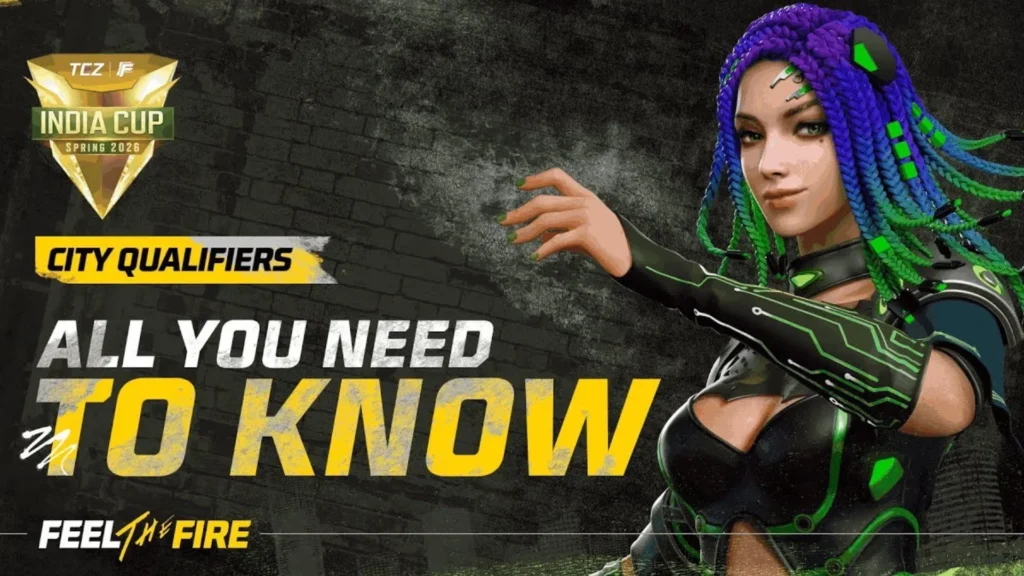
India’s mobile gaming circuit enters an exciting phase with upcoming competitive opportunities. Garena’s flagship tournament FFMIC 2026 returns for its second iteration this spring season. The organizer implements a revolutionary four-city offline qualification system never seen before. This geographical expansion democratizes access for regional talent nationwide. Additionally, the FFMIC 2026 tournament structure spans three intensive months of competition. Prize expectations remain high following last year’s substantial reward distribution. Meanwhile, previous FFMIC edition participants receive preferential treatment through direct invitations.
Eligibility Criteria and Account Requirements
Tournament organizers enforce strict participation standards for competitive integrity. Citizenship requirements limit entry to Indian nationals exclusively. Age restrictions mandate minimum 16-year participation thresholds for all competitors. Furthermore, skill prerequisites demand Heroic rank achievement before registration eligibility. Account maturity checks require Level 40 minimum across all participant profiles. Each roster accommodates five active members plus one substitute player. These regulations ensure competitive balance and fair gameplay standards.
Four-City Qualifier System Details
Garena’s geographical distribution strategy covers North, East, South, and West regions comprehensively. Lucknow represents the northern qualification hub for Uttar Pradesh participants. Kolkata serves eastern competitors from West Bengal and surrounding states. Hyderabad attracts southern talent from Telangana and neighboring regions. Ahmedabad welcomes western players from Gujarat and adjacent areas. Each venue accommodates 144 registered squads maximum per qualifier. Registration procedures occur on-site one day before competition commences. Teams must physically attend venues for credential verification processes.
Northern qualification takes place February 7 at Club Gusto within Gomti Nagar. Eastern competition simultaneously happens at Suhani Banquets located in Maheshtala. Subsequently, southern participants compete February 8 at Mihira Banquets in Ramanthapur. Western qualification concludes the schedule at Swarnim Business Hub-1 in Godrej Garden City. This staggered timing allows organizers to maintain quality control across locations.
Competition Format and Advancement Mechanisms
Each qualifier employs a structured group elimination system for fairness. Initially, 144 teams divide into 12 preliminary groups evenly. Group stage winners advance to respective city finale rounds. Single elimination determines ultimate qualifier champions per location. Only first-place finishers secure main event berths. This rigorous selection process guarantees elite-level competition quality. Consequently, preparation becomes crucial for serious contenders.
Alternatively, the FFC Mode provides secondary qualification pathways. This online option becomes available February 15 for nationwide participants. Players unable to attend physical qualifiers gain remote access opportunities. This dual-qualification system maximizes inclusivity while maintaining competitive standards. Therefore, dedicated teams have multiple advancement routes available.
Tournament Timeline and Stage Progression
The competition unfolds across three distinct competitive phases sequentially. Initially, February 26 marks Group Stage commencement following qualifier conclusion. This phase continues through March 8 with intensive daily matches. Top performers advance while underperforming squads face elimination. Subsequently, Knockout Stage begins March 20 with heightened stakes. This elimination phase runs until April 5 with increasing pressure. Finally, 12 surviving teams compete in Grand Finals scheduled April 18-19.
The extended timeline allows comprehensive skill assessment across varied conditions. Teams must maintain consistency throughout multiple competitive formats. Peak performance timing becomes strategic consideration for championship aspirations. Moreover, this structure provides spectators sustained engagement over months.
Prize Pool Expectations and Financial Incentives
While official prize distribution remains unannounced currently, historical precedent sets expectations. Last year’s inaugural championship featured ₹1 crore total prize money. Industry observers anticipate comparable or increased financial stakes this season. Substantial rewards justify the extensive preparation and participation investment required. Furthermore, sponsorship growth in Indian esports suggests potential prize escalation. Top performers can expect significant financial returns beyond mere competitive glory.
Prize distribution typically rewards not just champions but multiple placement tiers. This structure incentivizes participation across skill levels while maintaining competitive intensity. Additionally, individual performance bonuses may supplement team earnings. Therefore, financial motivations align with competitive aspirations throughout the tournament.
Strategic Implications for Indian Mobile Gaming
This tournament represents critical infrastructure development for domestic esports ecosystems. Offline qualifiers legitimize mobile gaming as serious competitive pursuit. Regional accessibility cultivates grassroots talent previously overlooked by centralized systems. Moreover, the multi-month format provides sustained media attention and sponsor visibility. Consequently, Indian esports gains credibility within broader sports entertainment industries.
The tournament also serves as talent identification mechanism for professional organizations. Scouts observe emerging players throughout extended competition periods. Outstanding individual performances attract team contracts and sponsorship opportunities. Therefore, participant benefits extend beyond immediate prize considerations significantly.
Expert Perspective on Tournament Significance
According to esports industry analysts, offline qualification formats enhance competitive legitimacy substantially. Physical attendance requirements reduce cheating concerns prevalent in online tournaments. Additionally, multi-city approaches distribute economic benefits beyond metropolitan centers. This democratization strengthens regional gaming communities often underserved previously. Furthermore, the extended tournament structure allows genuine skill differentiation over time. Consequently, championship outcomes carry enhanced credibility among competitive gaming communities.
The tournament timing also positions Indian teams for international opportunities. Strong domestic performances often lead to regional and global competition invitations. Therefore, FFMIC 2026 serves as crucial stepping stone toward international esports recognition.
This analysis covers the Free Fire Max India Cup 2026 Spring tournament structure, qualification processes, and competitive significance. Information derives from official Garena announcements and esports industry reporting standards.