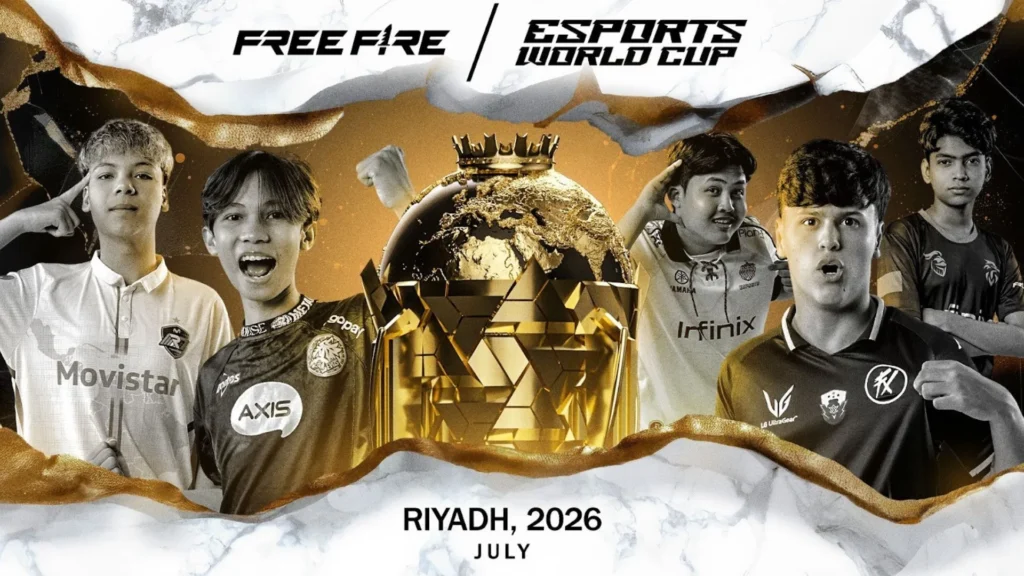
Garena’s ambitious roadmap for Free Fire esports reaches its peak in July 2026 when Riyadh hosts the sport’s most prestigious tournament. Mobile esports landscape shifts dramatically as Garena unveils the qualification framework for July’s championship event in Saudi Arabia. Twenty-four slots have been distributed across ten regions, with Southeast Asia securing eight positions while newcomers USA, Africa, and Nepal earn their first World Cup opportunities. The allocation strategy balances competitive merit with geographic expansion, creating pathways for established powerhouses and emerging markets alike. Indonesia’s Evos Divine enters with automatic qualification, leaving 23 spots for global contenders.
How Regional Distribution Reflects Competitive Hierarchies
The slot allocation tells a story about global Free Fire dominance. Southeast Asia’s eight-team representation towers over other territories. This wasn’t a generous decision but a competitive necessity.
Indonesia, Thailand, Vietnam, and Philippines consistently produce championship-caliber organizations. Their regional meta often defines global tactical trends. Moreover, SEA viewership numbers dwarf most other markets combined.
Brazil claims three spots, acknowledging South America’s passionate community. The country has produced multiple international champions historically. Additionally, Brazilian playstyles influence how teams worldwide approach aggressive situations.
Bangladesh and LATAM each receive two positions in the field. Both regions have demonstrated consistent competitive growth recently. Furthermore, their inclusion ensures representation from rapidly developing markets.
Single slots go to Pakistan, MENA, USA, Africa, and Nepal. These territories represent either established niche communities or emerging opportunities. Consequently, each must send their absolute best representative.
Three slots remain mysteriously unannounced for future determination. Speculation suggests Garena is monitoring developing scenes before committing. This flexibility allows responsive allocation based on spring performance metrics.
You can view the official announcement on Garena Free Fire’s Instagram.
SEA Spring Tournament Becomes Brutal Elimination Gauntlet
From April 24 through May 31, Southeast Asia’s finest battle for eight precious slots. The qualification format hasn’t been fully detailed yet. However, the competition will certainly be ruthless given the talent pool.
Dozens of professional organizations compete across multiple nations. Indonesian giants like RRQ and EVOS field multiple rosters. Thai powerhouses such as Attack All Around bring championship experience. Vietnamese teams have upset favorites repeatedly in recent years.
Only eight survive this extended qualification period. Every match carries elimination weight and psychological pressure. Moreover, one bad day can destroy months of preparation instantly.
The spring timeline creates interesting strategic considerations too. Teams must peak during April and May specifically. Additionally, maintaining form across six weeks tests stamina and roster depth.
National pride amplifies already intense competition significantly. Filipino teams want to prove their region’s strength. Malaysians seek to reclaim past glory from championship eras. This isn’t just about qualification—it’s about regional supremacy.
Brazilian Qualification: Three Slots, Dozens of Elite Contenders
Brazil’s Free Fire scene operates at extraordinary competitive levels. Three World Cup positions sound generous until considering the talent depth. Dozens of professional organizations compete for those spots realistically.
Teams like Corinthians, Fluxo, and LOUD dominate headlines regularly. However, upstart organizations constantly challenge establishment powers. Moreover, the Brazilian meta evolves distinctly from global trends.
Aggressive rush strategies originated from South American innovation. Their willingness to force early engagements creates spectacular highlight reels. Additionally, Brazilian teams recover from disadvantageous positions better than most.
The qualification tournament format will determine these three representatives. Garena hasn’t announced specific dates or structure yet. Nevertheless, Brazilian fans anticipate months of dramatic regional competition.
Placing high in Brazil’s qualifiers rivals winning some international tournaments. The skill floor is remarkably high across all participants. Furthermore, even qualifying represents a significant achievement worth celebrating.
First-Time Regions Face Prove-It Moments
USA, Africa, and Nepal make their World Cup debuts this summer. Each territory carries unique pressures and opportunities heading to Riyadh. Moreover, their performances could influence future slot allocations dramatically.
North American mobile esports has grown exponentially in recent years. The USA slot acknowledges this market’s potential and infrastructure development. Additionally, American teams bring tactical approaches influenced by diverse esports backgrounds.
Africa’s inclusion represents perhaps the tournament’s most significant expansion. The continent’s gaming community has been systematically underrepresented historically. Furthermore, infrastructure improvements have enabled competitive scene emergence recently.
Nepal’s passionate community finally receives the international platform they’ve deserved. Nepali players have demonstrated exceptional dedication despite limited resources. Moreover, their tight-knit community creates incredible support systems for competitors.
These regions must prove they belong at championship levels. Strong performances validate Garena’s expansion strategy and encourage further investment. Conversely, poor showings might delay additional slot increases in future editions.
What Championship Victory Actually Means
Twenty-four teams enter Riyadh between July 15-18 seeking glory. However, the championship carries consequences extending beyond immediate recognition. Moreover, the winner’s reward creates strategic advantages for months afterward.
The World Cup champion automatically qualifies for November’s Global Finals. This bypasses all fall regional qualification requirements completely. Additionally, direct entry allows focused preparation rather than constant competitive stress.
Bangkok hosts the season-ending Global Finals starting November 6. Thailand’s passionate fanbase creates electric atmospheres for major events. Furthermore, the Global Finals historically feature the year’s largest prize pools.
Evos Divine enters the World Cup with this advantage already. Their 2025 championship victory earned automatic qualification here. Moreover, they’re positioned to potentially secure back-to-back direct entries through winning again.
The prize pool for July’s event hasn’t been officially announced. Previous editions featured $1 million distributed among participants. However, the broader Esports World Cup 2026 framework suggests potentially larger purses.
Regional Qualification Creates Year-Long Narratives
Garena’s tournament calendar extends far beyond the July World Cup. Spring and fall FFWS editions occur across ten-plus regions throughout 2026. Moreover, this structure maintains fan engagement across entire competitive seasons.
Spring qualifiers determine World Cup participants across most territories. These tournaments run roughly March through May depending on region. Additionally, spring events generate storylines that carry into summer’s championship.
Fall editions then qualify teams for the November Global Finals. This creates two distinct competitive peaks annually rather than single-event focus. Furthermore, teams can pursue redemption narratives if summer campaigns disappoint.
Regional representation ensures local fanbases stay invested throughout the year. Indonesian fans follow their teams through multiple tournament cycles. Brazilian communities rally behind national representatives across seasons. This geographic diversity strengthens overall esports ecosystem health.
Over ten regions hosting official tournaments means constant competitive action. No extended dead periods exist where fans lack meaningful matches. Moreover, different time zones ensure global audiences always have events to watch.
Strategic Implications of the Three Mystery Slots
Three unallocated positions remain the community’s biggest speculation topic. Garena deliberately withheld these announcements for future determination. Moreover, their eventual allocation will signal organizational priorities clearly.
These slots could reward rapidly improving regions beyond initial expectations. Spring qualification results might reveal unexpected competitive depth somewhere. Additionally, Garena can respond to community feedback before finalizing distribution.
Alternatively, the positions might increase existing region quotas. Southeast Asia or Brazil could receive additional spots if justified. Furthermore, wild card qualification systems remain possible for these positions.
The timing of this announcement will be strategically significant. Revealing allocations after spring qualifiers allows data-driven decisions. However, delaying too long creates uncertainty for affected regions’ planning.
Community speculation focuses on potential new region inclusions. Could Japan receive recognition despite smaller player bases? Might Europe finally get dedicated slots after years of MENA grouping? These questions dominate discussion forums currently.
Production and Venue Expectations for Riyadh
Saudi Arabia’s investment in esports infrastructure guarantees world-class facilities. The July 15-18 dates place the tournament during optimal seasonal timing. Moreover, Riyadh’s venues have hosted multiple successful international events recently.
The broader Esports World Cup 2026 framework elevates Free Fire’s profile. Sharing stages with Dota 2, League of Legends, and Counter-Strike legitimizes mobile esports. Additionally, cross-game audiences might discover Free Fire through this exposure.
Broadcasting production will feature top-tier presentation values. Garena historically spares no expense for premier tournaments. Furthermore, multilingual commentary ensures global accessibility regardless of viewer location.
The venue will accommodate thousands of live spectators comfortably. Large screens enable clear viewing from any seating position. Moreover, the atmosphere generated by passionate crowds enhances competitive intensity.
Social media integration will be extensive throughout the event. Official streams reach multiple platforms simultaneously for maximum accessibility. Additionally, highlight clips spread rapidly across TikTok, Instagram, and YouTube afterward.
Long-Term Implications for Mobile Esports Growth
This tournament structure represents mobile gaming’s maturation as legitimate esports. The slot distribution methodology mirrors traditional sports league systems. Moreover, regional representation ensures sustainable ecosystem development rather than top-heavy concentration.
Emerging regions receiving opportunities encourages grassroots competitive scene investment. African organizations can justify infrastructure spending with clear pathways to championships. Similarly, Nepali players see tangible goals worth pursuing professionally.
The dual-peak competitive calendar (July and November) maintains year-round relevance. Traditional esports often suffer post-championship interest declines. However, Free Fire’s structure creates continuous narrative momentum instead.
Prize pools approaching or exceeding seven figures attract serious talent. Professional players can justify full-time competitive careers financially now. Moreover, aspiring players see viable paths to sustainable esports livelihoods.
Garena’s willingness to expand regional representation signals long-term commitment. They’re not simply exploiting current popularity but investing in future growth. Furthermore, this strategic patience should yield compounding returns as markets mature.
Final Countdown to Historic Championship Begins
The path to Riyadh runs through spring’s brutal regional qualifiers. Southeast Asian teams enter preparation cycles already given April’s start date. Meanwhile, other regions await their specific qualification tournament announcements.
Evos Divine begins title defense as the only confirmed participant currently. Twenty-three challengers will emerge from global qualification processes over coming months. Moreover, underdogs could shock favorites as competitive Free Fire historically produces upsets.
The three mystery slots represent the summer’s most intriguing subplot. Their eventual allocation could surprise communities or confirm expectations. Additionally, Garena’s decision will influence strategic planning across affected regions.
Riyadh’s midsummer dates create optimal timing between seasonal competitive peaks. The venue’s infrastructure ensures world-class presentation standards throughout. Furthermore, Saudi Arabia’s esports investment demonstrates commitment to hosting premier events.
This tournament will define narratives shaping Free Fire’s entire competitive year. Champions will be crowned, legacies enhanced, and possibly unexpected heroes will emerge. The mobile esports landscape may look dramatically different by July’s conclusion.
For Free Fire Esports 2026 Roadmap click here